
Understanding the Average Timeline for Car Repairs at a Body Shop: What to Expect
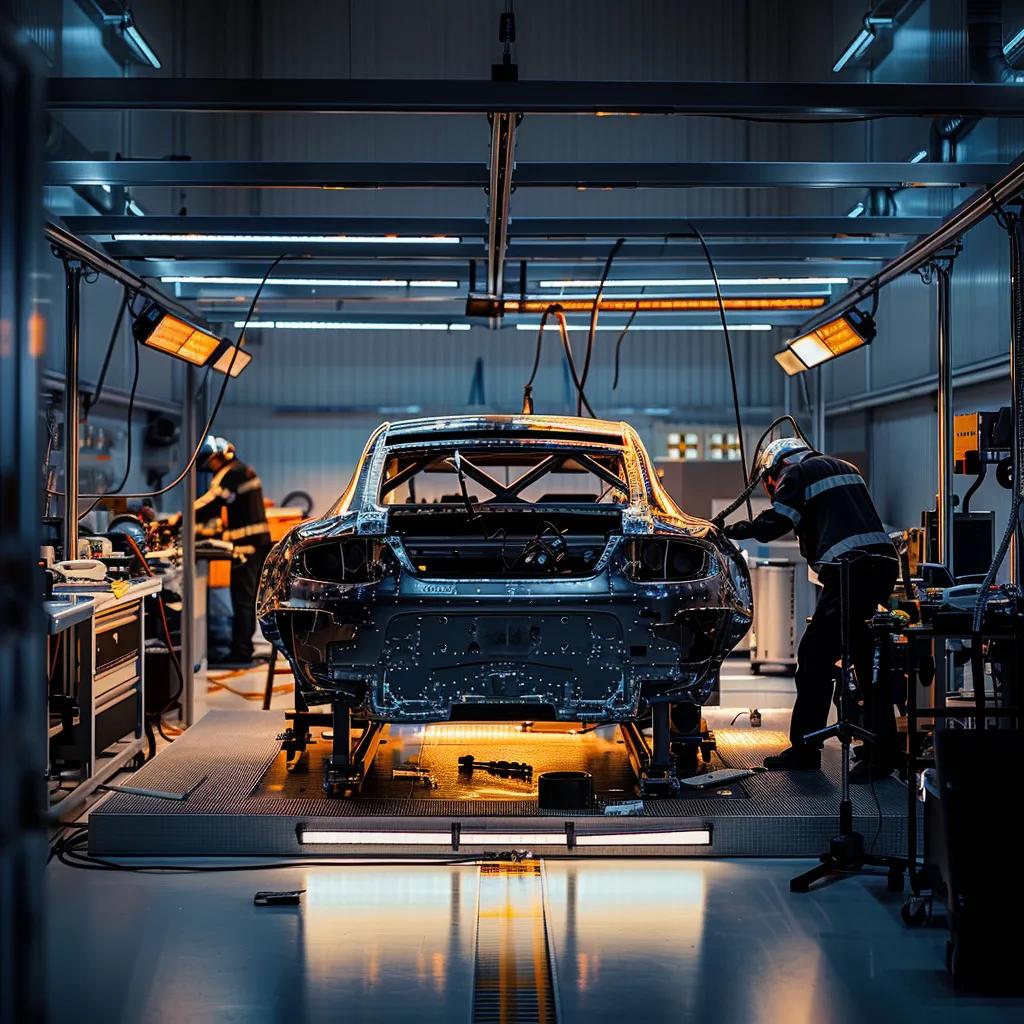
Car body repair timelines at a body shop hinge on damage severity, parts availability, and insurance approval; minor cosmetic fixes often wrap up in 2–5 days, moderate collision repair work takes 1–2 weeks, and major structural repairs require 2–4 weeks or more. By clarifying each stage—from initial damage assessment and insurance communication to painting and final quality control—this guide helps Phoenix vehicle owners anticipate repair durations, prepare documentation, and avoid surprises. You’ll learn:
- What average turnaround times look like for minor, moderate, and major repairs
- Which factors influence scheduling and how hidden damage can extend timelines
- The step-by-step repair journey, from estimate to delivery
- Specific duration benchmarks for common repair types
- Strategies for navigating insurance claims in Phoenix, AZ
- Practical tips to expedite your repair
- Why OneStopCollisionRepair.com stands out as your trusted local body shop
Understanding typical repair durations lays the foundation for planning your rental car, work schedule, and insurance expectations before diving into the detailed factors that affect every auto body timeline.
What Is the Typical Timeline for Car Repairs at a Body Shop?
Timelines for car repairs at a body shop reflect the extent of damage, parts sourcing, and approval processes, with minor dent and scratch work completing in days, moderate collision repairs spanning one to two weeks, and major structural restorations taking several weeks. A concise reference table helps you quickly gauge where your repair may fall:
These ranges assume prompt insurance authorization and parts delivery; next we’ll break down the minor repair timelines that most drivers encounter first.
How Long Do Minor Repairs Usually Take?
Minor repairs focus on cosmetic restoration, defined by small dents, scratches, and paint touch-ups.
- Assessment & Estimate – Typically completed in 1–2 hours.
- Paintless Dent Repair – Often achieved within 1–2 days if damage is superficial.
- Color Matching & Paint Application – Requires 1–2 days, depending on paint curing cycles.
These steps wrap up quickly when parts are not needed, and paint booths are available, leading naturally into more extensive collision repair timelines.
What Is the Average Duration for Moderate and Major Collision Repairs?
Moderate to major collision repairs encompass panel replacements, frame straightening, and mechanical work. A detailed table illustrates typical durations:
Insurance approval and parts fabrication often dictate each phase’s start date, guiding us toward understanding how complexity shapes overall repair time.
How Does Repair Complexity Affect Overall Repair Time?
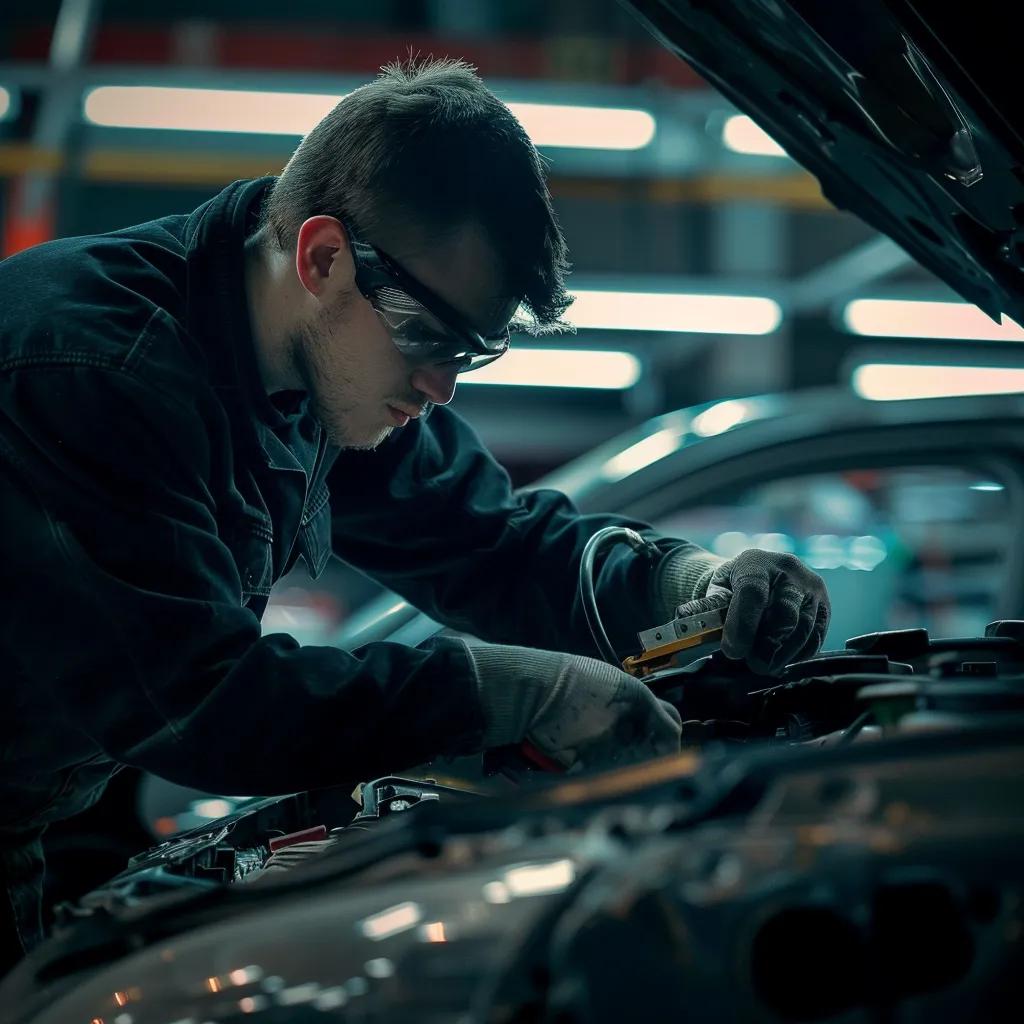
Repair complexity scales with the extent of structural damage, electronics integration, and multi-stage finishing processes.
- Structural Repairs: Frame straightening and welding can add several days.
- Electronic Systems: Calibration of sensors and ADAS features requires specialized technicians and equipment.
- Multi-Stage Painting: Base coats, clear coats, and color coats each need dedicated curing cycles.
These intricacies introduce variability that we’ll explore further when examining the key factors that influence every repair schedule.
What Key Factors Influence the Duration of Car Repairs?
Several interconnected factors shape your repair timeline, ranging from damage severity to shop workload. Understanding each element helps you anticipate delays and streamline the process.
Before listing them, here is an EAV-style table summarizing these critical influences:
Factors Influencing Repair Timelines
Research indicates that the complexity of vehicle repairs, including structural damage and the need for specialized equipment, significantly impacts the overall duration. The availability of parts, whether OEM or aftermarket, also plays a crucial role in determining how long a repair takes, with potential delays stemming from supply chain issues.
This research supports the article’s discussion on how different factors, such as damage severity and parts availability, affect the time needed for car repairs.
Next, we’ll examine how each factor individually impacts the overall schedule.
How Does Damage Severity Impact Repair Time?
Damage severity categorizes repairs by structural involvement versus cosmetic fixes.
- Cosmetic Damage (scratches, small dents) usually resolves in under a week.
- Structural Damage (frame misalignment, crumple zones) demands specialized equipment and technician expertise, extending projects by one to three weeks.
This distinction prepares you to gauge realistic timelines before parts ordering and insurance steps begin.
How Does Parts Availability Affect Repair Scheduling?
Parts availability hinges on whether original equipment manufacturer (OEM) components or aftermarket alternatives are used. We cannot overstate how the flucation in order times has changed over the past few years (particularly since Covid). There has never been a full recovery in some corners of the manufacturing and supply chain. So, while your specific repair job may only take 10-14 days, if an important part is hard to get, it could delay things. We had a recent repair where the arrival of one small part added 10 days to the job, and unfortunately there’s little we could. Here’s a sense of ideal delivery timelines:
- OEM Parts – May require 5–10 business days to source and ship.
- Aftermarket Parts – Often arrive in 1–5 days but can vary in quality and fit.
Supply chain backorders or custom fabrications further shift timelines, bridging naturally into the insurance approval phase’s influence.
What Role Does Insurance Approval Play in Repair Timelines?

Insurance approval establishes the green light for work to commence.
- Claim Submission – Requires detailed photos, damage reports, and estimates.
- Adjuster Review – Typically 2–5 business days for authorization.
- Supplement Requests – Can add another 3–5 days if hidden damage or price adjustments are needed.
Insurance Approval and Repair Delays
Studies show that the insurance approval process, including claim submission, adjuster review, and potential supplement requests, can add considerable time to the repair timeline. Direct Repair Programs (DRPs) can help streamline this process, potentially reducing wait times by facilitating communication and pre-negotiated agreements between insurers and repair shops.
This citation reinforces the article’s points about the impact of insurance procedures on repair durations and the benefits of using DRPs.
Securing clearances promptly mitigates hold-ups and leads into shop scheduling considerations.
How Does Body Shop Workload and Scheduling Influence Repair Speed?
Body shop capacity varies by season and demand:
- Peak Periods – Winter storms or summer hail seasons can create 1–2-week backlogs.
- Specialized Repairs – Sophisticated systems (e.g., ADAS calibration) may be queued behind standard bodywork.
Balancing workload with technician availability shapes your delivery date once approval and parts are ready.
How Can Hidden Damage Discovered During Repairs Extend Timelines?
Hidden damage often emerges during disassembly when underlying components are exposed.
- Structural Frame Checks – May reveal bent rails requiring additional straightening work.
- Mechanical Components – Cracked mounts or fluid leaks can add a day or two per item.
Accounting for these contingencies in advance helps set realistic expectations and avoids surprises during reassembly.
What Are the Step-by-Step Stages in the Car Repair Process?
The repair journey unfolds through a structured series of stages, each crucial for quality and adherence to timelines. Below is an ordered list that summarizes each phase:
- Initial Damage Assessment and Estimate – Technicians inspect your vehicle, document damage, and provide a cost and time estimate.
- Insurance Communication and Approval – OneStopCollisionRepair.com handles adjuster interactions to secure repair authorization.
- Parts Ordering and Delivery – OEM or aftermarket components are sourced and tracked until arrival.
- Disassembly and Structural Repairs – Damaged panels and structural elements are removed, straightened, or replaced.
- Painting and Refinishing – Precise color matching, multi-stage coating, and curing take place in controlled booths.
- Reassembly and Quality Control – Technicians reattach components, calibrate systems, and conduct comprehensive inspections.
- Vehicle Delivery – Final walk-through with the owner, documentation of warranties, and scheduling of any follow-up maintenance.
This clear step sequence guarantees transparency, guiding customers smoothly from estimate to delivery.
What Happens During the Initial Damage Assessment and Estimate?
During the initial inspection, technicians evaluate visible and inferred damage to frame, body panels, paint, and mechanical systems. This assessment defines scope, cost, and projected timeline, forming the baseline for insurance claims and scheduling the repair queue.
How Is Insurance Communication and Approval Managed?
Our dedicated claims team at OneStopCollisionRepair.com submits your estimate and damage photos directly to your insurer, follows up with adjusters, and secures supplemental approvals. This streamlined process reduces idle time and aligns insurance authorization with shop availability.
What Is the Parts Ordering and Delivery Process?
Once approved, parts are ordered via our network of OEM suppliers or vetted aftermarket vendors. We track every shipment, anticipate backorders, and update you on arrival dates—ensuring the repair schedule stays on target despite supply chain fluctuations.
How Are Disassembly and Structural Repairs Conducted?
Certified technicians dismantle damaged sections, employ frame-straightening machines for alignment, and use welding or adhesive techniques per manufacturer guidelines. This precision work sets the foundation for accurate refitting and paint adhesion.
What Does Painting and Refinishing Involve?
Paint specialists blend base coat and clearcoat layers using computerized color-matching systems, applying each layer in controlled conditions and allowing proper flash and cure times. Meticulous refinishing restores factory gloss and durability before panels move to reassembly.
How Is Reassembly and Quality Control Performed?
During reassembly, technicians reinstall panels, bumpers, lights, and trim, then perform system calibrations (e.g., cameras, sensors). A multi-point inspection verifies structural integrity, paint uniformity, and mechanical function to meet our rigorous quality standards.
What Should Vehicle Owners Expect at Vehicle Delivery?
When you pick up your vehicle, expect a full walkthrough of repairs, presentation of before-and-after photos, explanation of warranty coverage, and any necessary maintenance recommendations. Clear communication at delivery ensures confidence before you drive away.
What Are Typical Timelines for Specific Types of Car Repairs?
Different repair categories carry distinct durations. The table below maps common repair types to their expected timeframes:
These benchmarks guide expectations for each repair type, leading into how Phoenix owners navigate insurance claims locally.
How Can Vehicle Owners Navigate Insurance Claims for Auto Repairs in Phoenix, AZ?
Negotiating the auto body insurance claim process efficiently saves precious time and prevents unnecessary delays. In Phoenix, follow these steps:
- Submit detailed photos and preliminary estimates within 24 hours of damage for faster adjuster review.
- Maintain open communication with your insurance adjuster by sharing repair updates and supplemental findings promptly.
- Enroll in your insurer’s Direct Repair Program (DRP) to access streamlined claims, priority scheduling, and guaranteed repairs.
By mastering these steps, you reduce approval delays and align claim settlements with shop capacity.
How Do You Work Effectively with Your Insurance Adjuster?
Provide clear damage documentation, respond quickly to information requests, and authorize digital estimate reviews. This proactive approach fosters collaboration and expedites the approval process.
What Should You Know About Repair Estimates and Supplements?
Initial estimates cover visible damage; supplements account for hidden issues discovered during disassembly. Clear communication ensures that all necessary repairs are authorized without repeated adjuster visits.
What Are Direct Repair Programs (DRPs) and How Do They Affect Repair Timelines?
DRPs establish partnerships between insurers and certified shops, offering guaranteed pricing, priority work slots, and streamlined payment processes. Enrolling in a DRP often reduces wait times by 20–30%.
What Tips Can Help Expedite Your Car Repair at a Body Shop?
You can accelerate your repair schedule by taking these actions:
- Provide complete insurance and vehicle documentation immediately upon drop-off.
- Respond promptly to supplemental damage notifications and adjuster calls.
- Choose a local Phoenix body shop with in-house paint booths and parts procurement teams.
These steps minimize idle periods and keep your vehicle moving through each repair stage.
How Can Prompt Documentation and Communication Reduce Delays?
Submitting your insurance card, police report (if applicable), and repair authorization forms at the first appointment prevents approval stalls and idle time in the shop queue.
What Questions Should You Ask Your Body Shop to Stay Informed?
Ask for weekly progress updates, parts arrival dates, and inspection findings. Regular check-ins signal your engagement and help identify potential issues early.
How Does Choosing a Local Phoenix Body Shop Benefit Repair Speed?
A Phoenix-based shop like OneStopCollisionRepair.com offers nearby parts suppliers, faster shuttle services, and minimal transit time—cutting days off your total turnaround.
Why Choose OneStopCollisionRepair.com in Phoenix, AZ for Your Car Repairs?
OneStopCollisionRepair.com delivers transparent timelines, expert technicians, and full insurance support to streamline your repair experience in Phoenix. Our proven process and customer-first approach minimize stress and accelerate delivery.
How Does Our Transparency in Repair Timelines Build Customer Trust?
We provide real-time status reports, before-and-after photos, and detailed schedules so you always know exactly where your repair stands in the process.
What Expertise Do Our Technicians Bring to Collision and Mechanical Repairs?
Our ASE- and I-CAR-certified technicians average over a decade of experience handling everything from ADAS calibrations to heavy structural realignments.
How Do We Assist with Insurance Claims to Simplify Your Repair Process?
Our in-house claims coordinators work directly with adjusters, manage supplements, and verify approvals, ensuring repairs commence as soon as coverage is confirmed.
Where Is Our Phoenix Location and How Can You Schedule an Appointment?
Conveniently located at 1234 Auto Body Rd, Phoenix, AZ 85001, we offer online booking and 24/7 appointment requests through our website. Schedule an appointment or get a free quote at onestopcollisionrepair.com/contact.
Your vehicle deserves quality repairs completed on time and on budget. Trust OneStopCollisionRepair.com to restore your car with precision and transparency every step of the way.